The vital advantages of scheduling a spray foam removal service
Just How Spray Foam Insulation Can Change Your Living Area and Minimize Energy Costs
Spray foam insulation is gaining focus for its capability to boost energy performance in homes. By developing a tight seal, it minimizes air leaks and preserves secure interior temperatures. This ingenious remedy not only boosts convenience however likewise especially lowers power expenses. As house owners look for efficient methods to boost their living areas, the benefits of spray foam end up being progressively evident. What are the specific benefits and factors to consider that make this insulation technique a favored selection?
Understanding Spray Foam Insulation

There are two main kinds of spray foam insulation: open-cell and closed-cell. Open-cell foam is lighter and much more flexible, providing soundproofing qualities, while closed-cell foam is denser and much more inflexible, offering remarkable dampness resistance and insulation worth. The application procedure needs specialized devices and know-how to assure proper installation.
Comprehending the residential properties and sorts of spray foam insulation is essential for home owners and building contractors seeking efficient solutions for insulation and air sealing. This understanding prepares for checking out the specific advantages connected with its usage.
Advantages of Spray Foam Insulation for Power Effectiveness
Spray foam insulation provides considerable benefits for power performance. spray foam removal. Its exceptional air securing abilities reduce air leaks, leading to lowered energy loss in structures and homes. Consequently, this results in long-lasting cost financial savings on home heating and cooling costs
Superior Air Sealing
When considering power efficiency in structures, superior air securing becomes a crucial advantage of spray foam insulation. Unlike conventional insulation materials, spray foam expands upon application, loading gaps and splits that might otherwise enable air leakage. This impermeable barrier significantly decreases the infiltration of outdoor air, which can bring about temperature changes and increased power consumption. By providing a reliable seal, spray foam insulation improves the general thermal efficiency of an area, assisting keep a constant indoor environment. This not only adds to comfort yet also reduces the work on heating and cooling systems. Consequently, house owners can experience better energy efficiency and possibly reduced energy costs, making spray foam insulation a vital factor to consider for modern energy-conscious structure methods.
Minimized Energy Loss
Efficient air sealing via spray foam insulation leads to a considerable decrease in power loss within structures. This insulation product expands on application, loading spaces and cracks that traditional insulation typically misses out on. By creating a tight barrier versus air infiltration, spray foam minimizes drafts and temperature fluctuations, making certain that conditioned air stays inside the space. As a result, homeowners experience an extra steady indoor climate, reducing the need for excessive heating or air conditioning. This improved power efficiency not only adds to an extra comfy living environment yet also assists to maintain the honesty of structural components by lowering wetness buildup. In general, spray foam insulation functions as an effective solution for reducing energy loss and improving general building performance.
Long-Term Price Financial Savings
Spending in spray foam insulation typically leads to significant long-lasting cost financial savings for services and home owners alike. This insulation type efficiently secures spaces and splits, reducing energy consumption by keeping regular interior temperatures. Residential property owners experience lower home heating and air conditioning costs, considerably influencing their regular monthly utility expenses. Furthermore, spray foam's longevity lessens the requirement for regular substitutes or fixings, further improving its cost-effectiveness with time. Several users additionally gain from possible tax obligation motivations or rebates connected with energy-efficient upgrades, which can counter first installment costs. By enhancing power effectiveness and lowering maintenance costs, spray foam insulation verifies to be a smart monetary investment, inevitably adding to a healthier profits for both business and property rooms.
Just How Spray Foam Insulation Functions
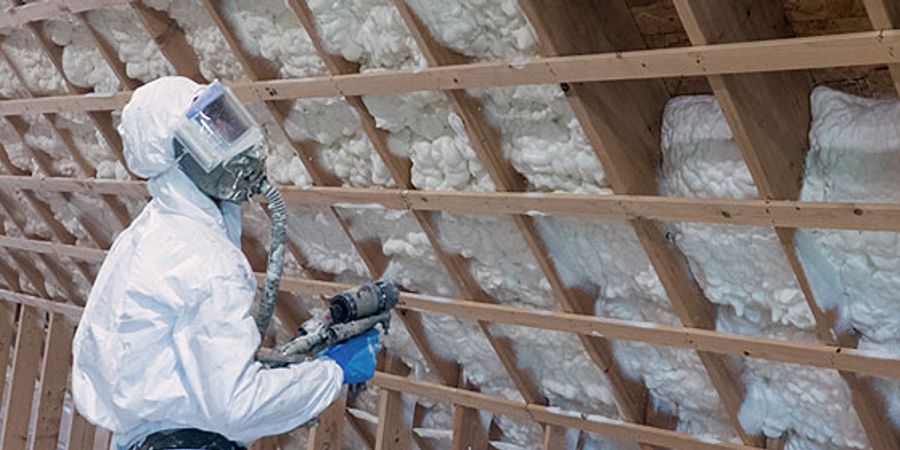
Spray foam insulation runs through an unique development process that enables it to fill gaps and gaps within a framework. When applied, the foam expands rapidly, developing an impermeable seal that substantially boosts thermal resistance. This effective barrier not just boosts energy performance yet also adds to general comfort in the home.
Insulation Development Refine
When applied, spray foam insulation goes through a special growth procedure that allows it to load spaces and produce a smooth barrier versus air and dampness. This two-component system is composed of isocyanate and polyol material, which respond upon blending to generate a foam that expands approximately 30 times its original volume. As it increases, the foam sticks to various surface areas, effectively sealing splits and gaps that conventional insulation more helpful hints techniques might miss. The rapid expansion assists to create a tight seal, lowering air leakage and boosting overall energy effectiveness. Once treated, the foam strengthens into a sturdy, light-weight product that keeps its form, providing durable insulation and defense for homes and buildings.
Thermal Resistance Advantages
Although different insulation materials exist, spray foam insulation stands apart as a result of its phenomenal thermal resistance homes. This one-of-a-kind insulation kind broadens upon application, loading voids and producing a smooth barrier that reduces air leaks. By effectively securing the structure envelope, spray foam aids keep a consistent inside temperature, decreasing the reliance on heating and cooling down systems. Its high R-value per inch gives exceptional insulation contrasted to traditional materials like fiberglass or cellulose. As a result, homeowners experience enhanced power performance, resulting in reduced energy expenses. In addition, the thermal resistance of spray foam adds to boosted comfort, avoiding drafts and chilly places. In general, these characteristics make spray foam insulation a beneficial investment for changing promoting and living areas energy financial savings.
Contrasting Spray Foam to Standard Insulation
While traditional insulation products like fiberglass and cellulose have been widely used for decades, spray foam insulation has become a compelling alternative due to its one-of-a-kind residential properties and efficiency benefits. Spray foam supplies premium air-sealing capacities, reducing air leakages that can lead to energy loss. This not only improves energy performance yet additionally boosts indoor air top quality by lessening the seepage of pollutants and allergens.
On the other hand, traditional materials often leave spaces and gaps, which can compromise thermal performance. In addition, spray foam increases upon application, satisfying uneven shapes and hard-to-reach locations, thus supplying an extra full insulation obstacle.
In addition, spray foam has a greater R-value per inch compared to fiberglass and cellulose, suggesting it supplies better thermal resistance with less material. These distinctions make spray foam why not try these out insulation an extra long-lasting and reliable choice for property owners wanting to enhance energy efficiency and convenience in their home.
Setup Process and Considerations
The installment of spray foam insulation includes a particular procedure that differs greatly from conventional techniques. Originally, the area to be shielded have to be completely prepared, that includes sealing any type of voids and guaranteeing surface areas are clean. The application needs specific tools to blend and spray the foam, which expands upon call. Specialists commonly handle this task, as it requires know-how to accomplish suitable coverage and efficiency.
Considerations throughout installation consist of picking the ideal kind of foam-- open-cell or closed-cell-- based upon the certain demands of the area. Proper air flow is essential throughout the application procedure to reduce fumes. House owners must likewise recognize the treating time, which can impact when the space can be occupied. Making certain compliance with neighborhood structure codes is important to assure a risk-free and effective insulation option.
Secure Lasting Cost Savings and Ecological Impact
Spending in spray foam insulation not just improves power efficiency but also generates substantial long-lasting cost savings for homeowners. This sort of insulation produces an airtight seal, decreasing power consumption for heating & cooling by as high as 50%. As a result, house owners can anticipate reduced utility bills in time, leading to considerable savings that can offset the first installation expense.
Moreover, spray foam insulation adds positively to the setting. By lowering power usage, it minimizes greenhouse gas emissions linked with energy manufacturing. The sturdiness of spray foam, which can last several years, reduces the demand for regular replacements, additionally lowering waste in garbage dumps. Furthermore, numerous spray foam products are made from sustainable sources, boosting their eco-friendliness. Altogether, spray foam insulation not just enhances living convenience but likewise sustains lasting techniques, benefiting both homeowners and the world.
Often Asked Questions
Is Spray Foam Insulation Safe for My Family Members and Family pets?
Spray foam insulation is normally risk-free for family members and animals when mounted properly. Nevertheless, appropriate ventilation and curing time are necessary to lessen any possible wellness threats during application. Constantly get in touch with specialists for finest security techniques.
How Lengthy Does Spray Foam Insulation Last?
Spray foam insulation typically lasts between 20 to three decades, depending upon environmental factors and setup quality. Its resilience makes it a popular option for house owners seeking long-lasting energy efficiency and comfort in their space.
Can I Install Spray Foam Insulation Myself?
Installing spray foam insulation oneself is feasible, but it needs customized tools and security precautions. Lots of specialists recommend working with experts for excellent outcomes, as improper setup can result in ineffectiveness and prospective carcinogen.
What Are the Prospective Wellness Dangers of Spray Foam?
Prospective wellness dangers of spray foam insulation include respiratory concerns, skin inflammation, and sensitive reactions as a result of chemical exposure throughout installment. Proper ventilation and protective gear are important to decrease these threats for owners and installers.
Does Spray Foam Insulation Require Special Maintenance?
Spray foam insulation normally needs minimal maintenance, as it does not weaken or work out gradually (spray foam removal). Regular assessments for wetness problems or damage are advisable to ensure its efficiency and durability in the protected room.
Open-cell a knockout post foam is lighter and extra versatile, offering soundproofing qualities, while closed-cell foam is denser and a lot more stiff, providing premium moisture resistance and insulation value. Comprehending the residential properties and kinds of spray foam insulation is vital for property owners and builders seeking effective services for insulation and air sealing. When thinking about power efficiency in buildings, premium air sealing emerges as a crucial benefit of spray foam insulation. Various insulation materials exist, spray foam insulation stands out due to its outstanding thermal resistance residential properties. While standard insulation materials like fiberglass and cellulose have been extensively used for years, spray foam insulation has emerged as a compelling option due to its special residential properties and performance advantages.